
Cross-Platform App Development Company for iOS and Android
Launch one app that runs on both iOS and Android, without the cost and delay of building and maintaining two native apps. We help you pick the right framework, design for each platform, build from a shared codebase, and stay on after launch. And we have shipped real cross-platform apps: a school SaaS in Morocco, a video social network in the USA, and consumer utility apps live on both stores.Our approach to cross-platform development
We build from a single, shared codebase, create a common UI foundation that still respects iOS and Android conventions, and test every core feature across both platforms and a range of devices. The result is one product that feels native on each platform while staying efficient to build and maintain.
Our cross-platform app development services
Strategy and framework consulting
We help you decide whether cross-platform is the right call, and which framework fits, before any code is written.Cross-platform UI/UX design
We design flows and screens that follow each platform's conventions, so the app feels native.Cross-platform app development
We build with React Native or Flutter and drop into native modules where a feature needs platform-specific speed or capability, so performance stays near-native.Progressive and responsive web apps
Where it fits, we extend the same codebase to responsive web and progressive web apps, so more of your users are covered from one build.App migration to cross-platform
We migrate separate native apps, or an aging build, onto one cross-platform codebase in stages, without disrupting the users already using it.Testing and QA across devices
We test on real iOS and Android devices, screen sizes and OS versions, not just simulators, to catch the platform-specific issues that break cross-platform apps.App Store submission, support and upgrades
We prepare and support App Store and Google Play submissions, then handle over-the-air updates, OS-compatibility and enhancements after launch.Frameworks we build with, and how we choose
We are framework-agnostic and build with both React Native and Flutter, using Expo where it speeds delivery. React Native suits teams already invested in the React and JavaScript ecosystem and apps that lean on native modules. Flutter gives very consistent UI control across platforms and strong out-of-the-box performance. We recommend based on your product, team and roadmap.
Types of cross-platform apps we build
Consumer and lifestyle apps, multi-user and SaaS apps, social and video apps, education and e-learning apps, and tablet apps. Because the frameworks share one codebase, the same build can also extend to progressive web apps and, where needed, connected-device or wearable companions.
The business case for going cross-platform
Reach both app stores from one build
Ship to iOS and Android from a single codebase, and cover the whole mobile market without the cost of two separate teams.Lower cost and simpler maintenance
Sharing most of the code cuts development and long-term maintenance effort, and you fix and improve once rather than twice.Faster time to market
Features and updates are built once and released across platforms, so you validate ideas and respond to user feedback sooner.A consistent experience
Users get the same look, behavior and quality on either platform, which builds trust in the product.Native or cross-platform: how to decide
Cross-platform is the efficient choice for most content, social, SaaS and utility apps that need both platforms quickly. Fully native is worth the extra cost when an app depends on heavy device-specific performance, advanced graphics or very deep platform features. We will tell you honestly which fits your product, even when that means recommending native.
Cross-Platform apps we have shipped
Education, GraphQL/SaaS/React/React Native
Procreche SaaS & Mobile App
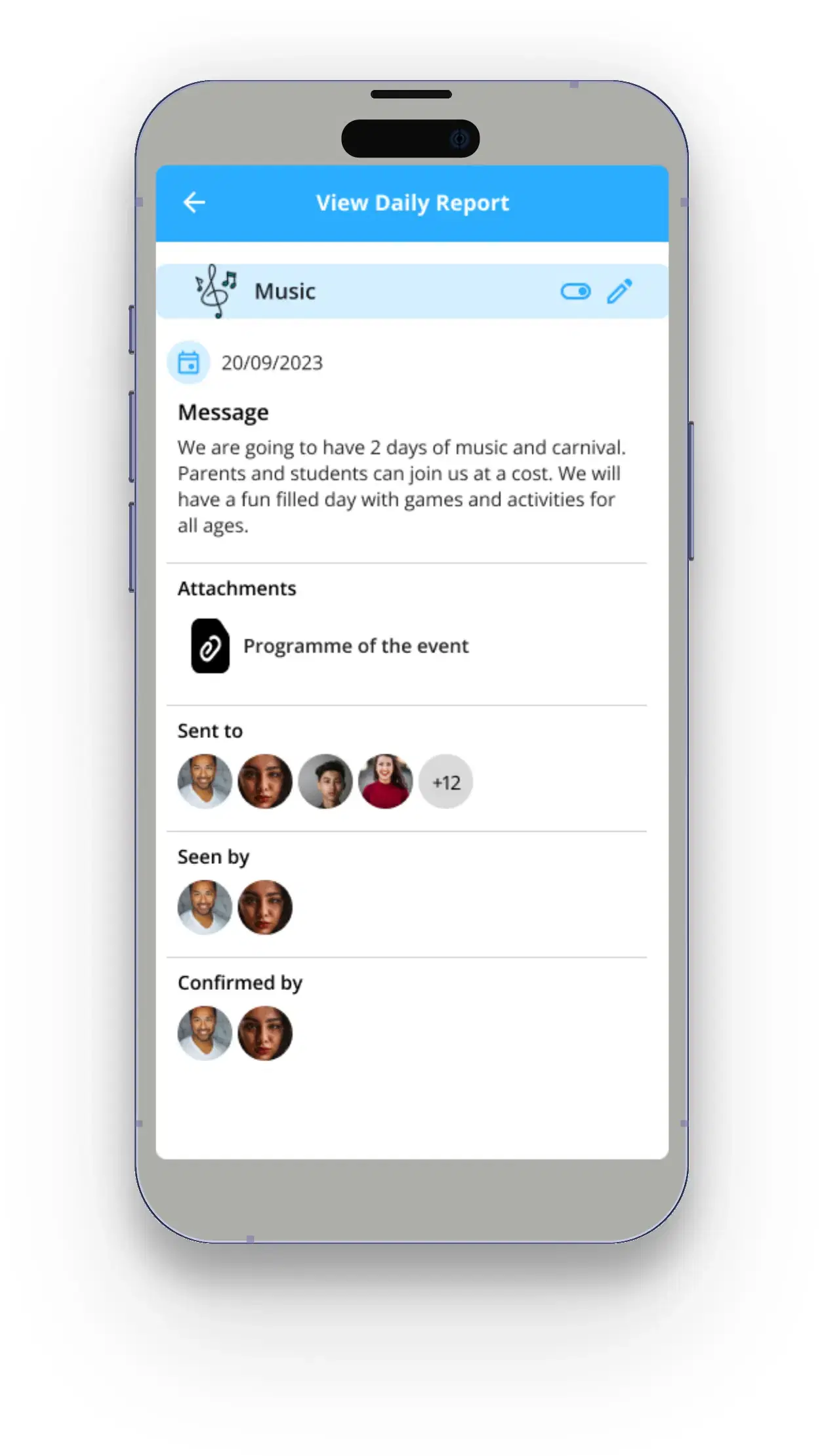
Procreche (Morocco) is SaaS Web Application for Schools in Morocco. It provides communication between Parents and Kindergarteners about their day to day actitivies (Events, Gallery, Communication Diary, Milestones, Attendance). We developed Android and iOS Mobile/Tablet App for School Directors.- Tech stack: GraphQL, SaaS, React/React Native
- Industry: Education
Spirituality, React Native/iOS/Android
Sai Karuna Mission
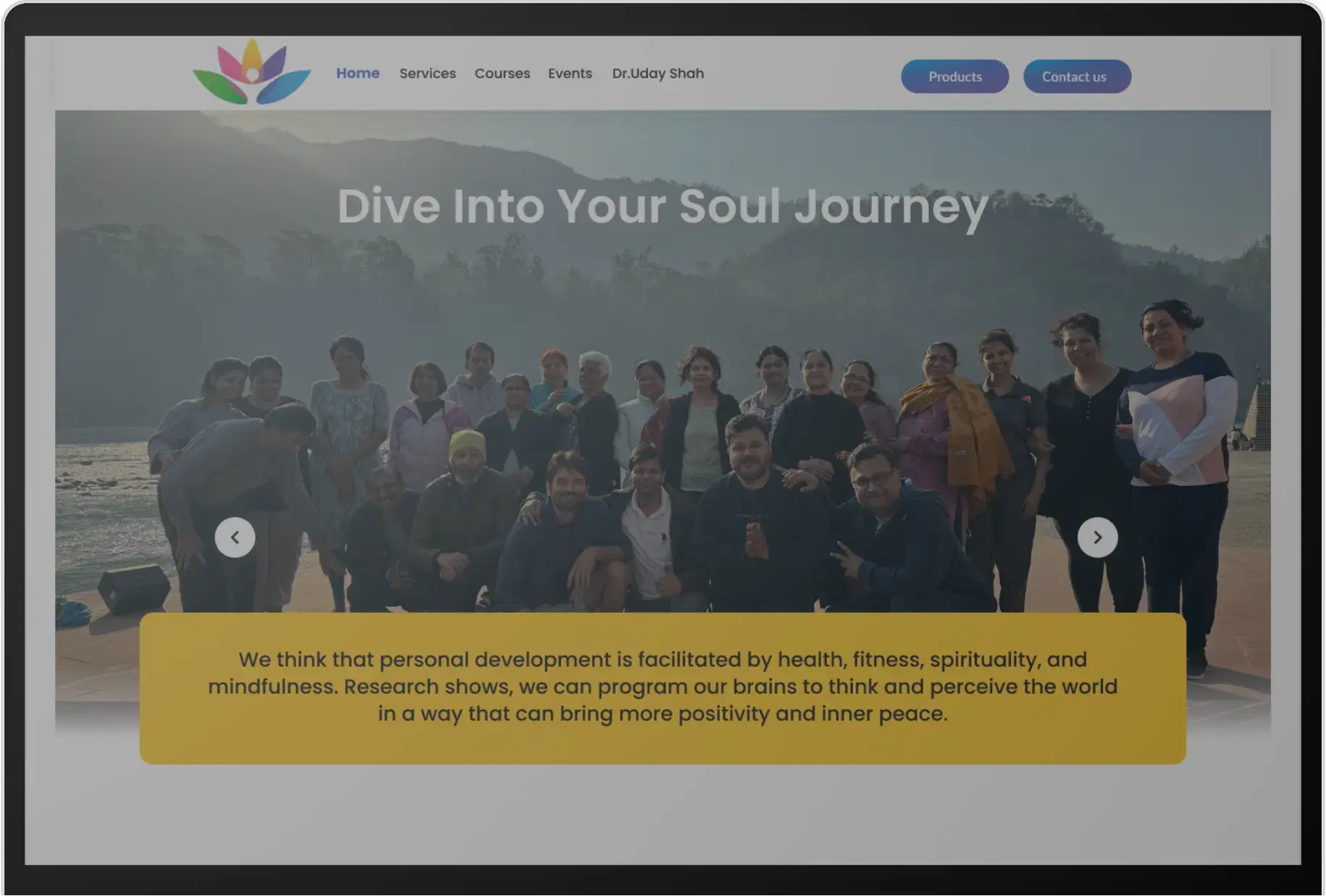
Sai Karuna Mission(SKM) is a spiritual research organisation where they research on Aura and guide people about the cause of their problems and teach them theta/delta level meditations to overcome those problems.- Tech stack: React Native, iOS, Android
- Industry: Spirituality
Utility, React Native/iOS/Android
Wirlix
Wirlix (U.S.A.) is a video-based social network for fun group discussions on any topic. Wirlix allows people to create videos so other members of the community can respond through their own short videos. Wirlix's key value is to put your face behind what you say to take accountability for your opinions and creations on the app.- Tech stack: React Native, iOS, Android
- Industry: Utility
Utility, React Native/iOS/Androd
Horology
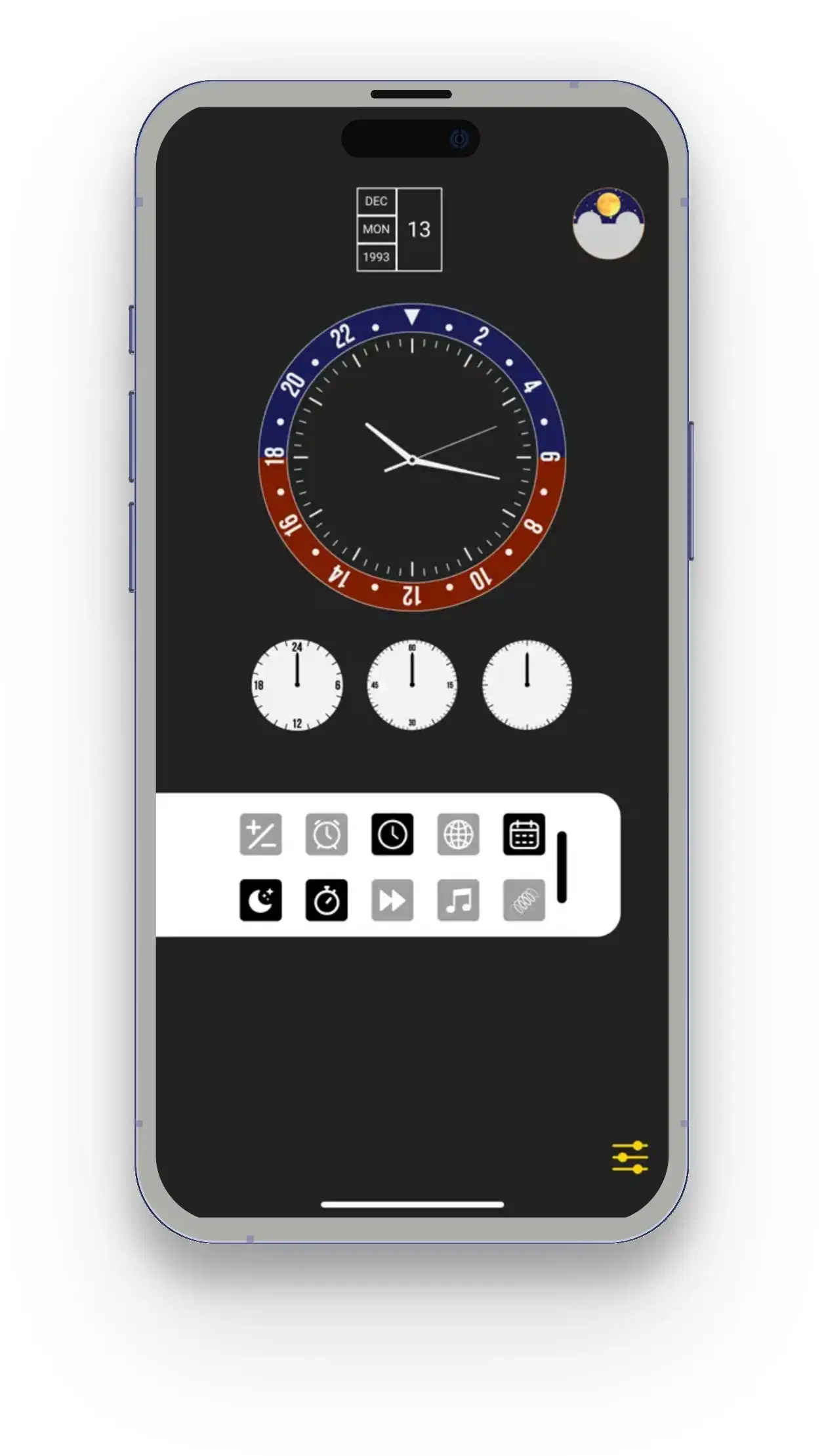
Horology is a mechanical watch app for your phone / tablet. Experience all the functionalities of a mechanical watch. The display, interface, features, and complications are designed to work exactly like a mechanical timepiece.- Tech stack: React Native, iOS, Androd
- Industry: Utility
What affects cost and timeline
We keep pricing conversational, because the honest answer depends on scope. The main factors are how many platforms and device types you target, the number and complexity of features, third-party and payment integrations, the depth of custom design, whether you need offline support, and the backend involved. We work in clear phases so you see a working app early and can adjust before the build grows.
How we work
1
Discovery & Requirements
Understand your product, users and goals.2
Planning & User Experience
Choose the framework and map the user flows.3
Development
Build in phases from a shared codebase.4
Integration
Integrate backend systems, APIs and third-party services.5
Testing & Quality Assurance
Test across real iOS and Android devices and network conditions.6
Deployment & Launch
Prepare and support launch on the App Store and Google Play.7
Maintenance & Continuous Improvement
Support the app after launch with over-the-air updates and improvements.Why Crescibit for cross-platform
Proven Track Record
We have actually shipped cross-platform apps to both app stores.Framework-Agnostic Expertise
We build with both React Native and Flutter, so we recommend whichever framework actually fits your project.Senior Team, Directly Involved
You work directly with the senior team building your app.Long-Term Partnership
We stay involved after launch for updates, app store submissions and new features.Frequently asked questions
Cross-platform app development means building one app, from a mostly shared codebase, that runs on both iOS and Android. Instead of maintaining two separate native apps, you get a single product to build and update, which lowers cost and speeds up releases.
For most apps, yes. React Native and Flutter render real native UI components, and with good architecture and native modules where needed, users get near-native performance they cannot tell apart from fully native.
It depends on your product, your team's existing skills and your roadmap. React Native suits teams already in the React ecosystem and apps that use native modules; Flutter gives very consistent UI control. We help you choose during consulting rather than defaulting to one.
Yes, Xamarin (now .NET MAUI) is still used, especially in organizations invested in the Microsoft and .NET ecosystem. For most new products, though, teams choose React Native or Flutter for their larger ecosystems and community support, which is where our work is focused.
Choose native when your app depends on heavy device-specific performance, advanced graphics or gaming, or very deep platform integrations. For content, social, SaaS and most consumer apps, cross-platform is usually the better use of budget.
Yes. We migrate native or aging apps to a single cross-platform codebase in stages, reusing what works and replacing what does not, so your users are not disrupted during the move.
Yes. Cross-platform apps access native device features such as camera, location, storage, biometrics and push notifications, either through the framework or through native modules we add.
Yes. We prepare the builds, store listings and compliance details and support the submission on both stores, so you are not navigating the review process alone.
We stay involved: OS-update compatibility, over-the-air updates, fixes, performance improvements and new features as your product grows and user feedback comes in.
Explore our other services
We work across the whole product lifecycle, so most projects touch more than one service.
Mobile App Development